


How Modern Warehouse Automation Seamlessly Integrates into the SAP Ecosystem
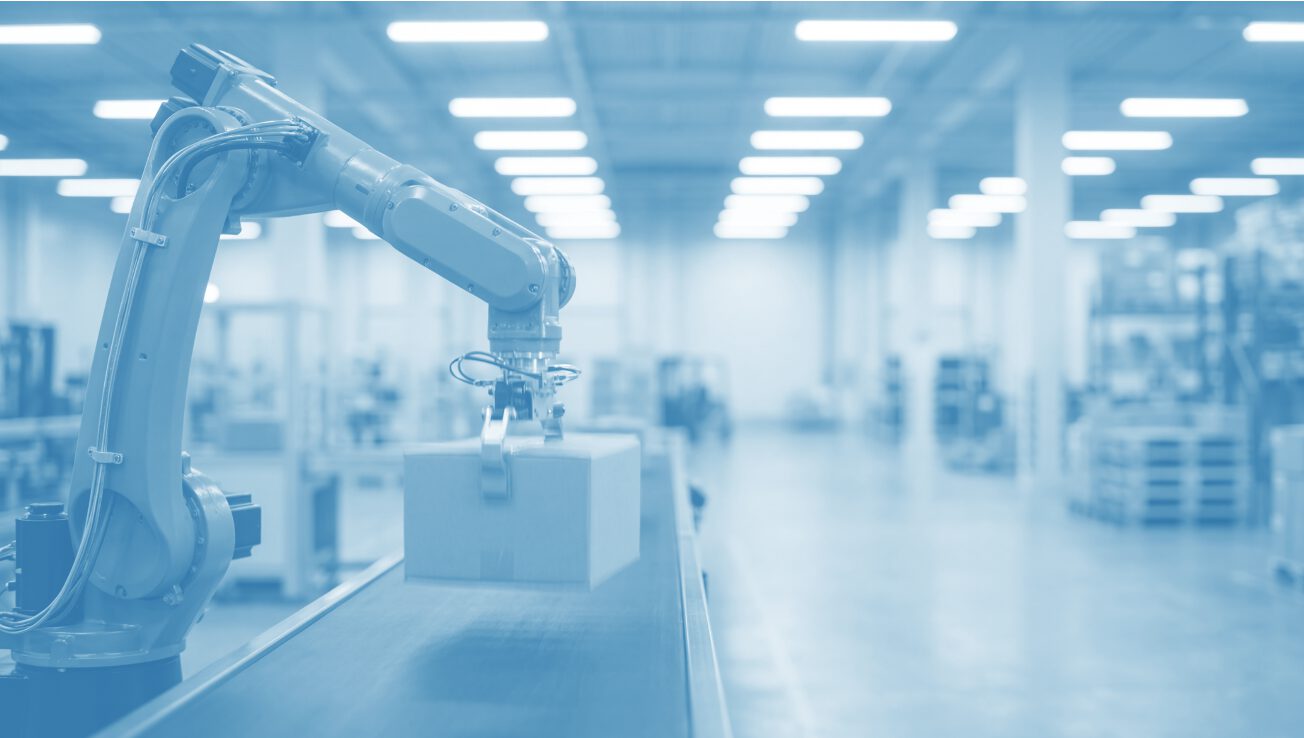
Robots in warehouses are no longer a thing of the future. Autonomous mobile robots, automated guided vehicles, and shuttle solutions are now handling transport, order picking, and replenishment processes.
When they’re integrated into your company’s SAP system landscape, they can reach their full potential. And that brings us to SAP Warehouse Robotics.
SAP Warehouse Robotics is not a single robot, but rather a standardized integration layer between SAP Extended Warehouse Management (SAP EWM) and robotics solutions from various manufacturers. SAP controls the logic and processes—the robots carry them out.
SAP EWM then communicates via clearly defined interfaces with a Robotics Resource Management (RRM) component, which in turn connects the individual robot fleets. The result: fewer custom interfaces, more standardization, and greater security.
Many warehouses start with a clearly defined robotics use case, such as:
• Transporting goods from the receiving area to the storage zone
• Replenishing picking stations
• Removing goods from packing stations
Increasing Level of Automation = Enhanced Integration
It is quite normal for the level of automation to continue to grow over time. However, this also means that requirements increase:
This is where we need enhanced integration: It ensures that SAP EWM remains the central control hub even in more complex scenarios. Typical enhancement scenarios in practice:
The integration is based on SAP EWM (S/4HANA and later), the Warehouse Robotics Framework, and standardized interfaces. As always, the guiding principle is: as much standardization as possible, as much customization as necessary. You benefit from this integration in several ways:
In short: The warehouse is not only becoming more automated, but also more controllable.
Expanding integration with SAP Warehouse Robotics is a strategic step toward a smart, flexible, and future-proof warehouse. By adopting a clean, SAP-based integration architecture early on, you lay the foundation for further automation—without the proliferation of interfaces.